Remote Patient Monitoring
Simple connected devices, daily clinical review, and early intervention, so small changes in your health are caught before they become emergencies.
Your vitals, watched by real clinicians
Blood pressure that creeps up over two weeks. Weight gain that signals fluid retention. Oxygen levels that dip a little lower each day. These are the early warnings of trouble, and they rarely announce themselves at an office visit.
Remote patient monitoring puts easy-to-use connected devices in your home. Each reading you take is transmitted automatically to our clinical team, who watch your trends daily and act when something changes, keeping your primary care provider informed at every step.
Delivered ready to use, no setup required
Devices arrive pre-configured with cellular connectivity built in. Take a reading and it reaches your care team automatically, no Wi-Fi, apps, or pairing.
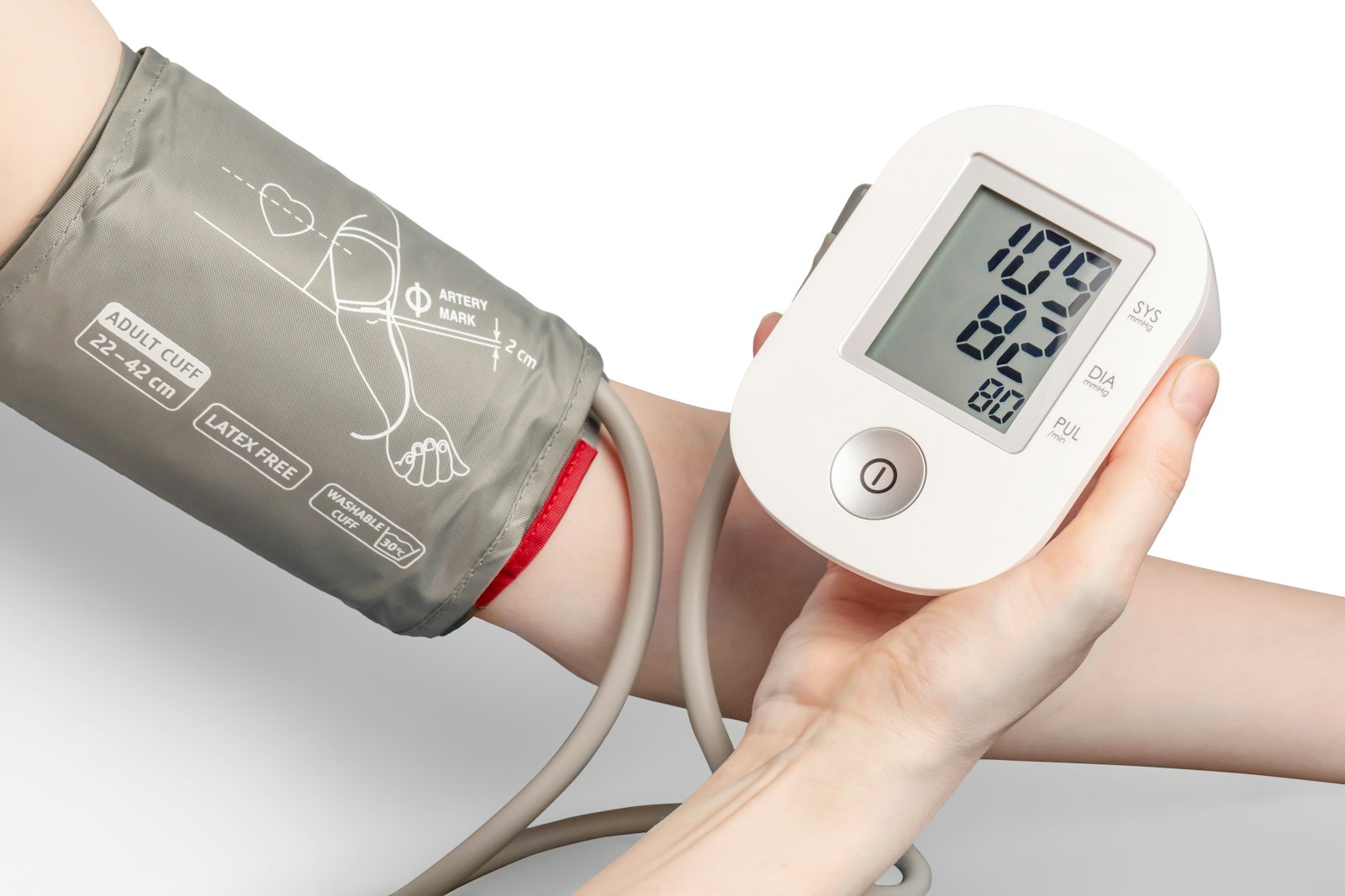
Blood pressure monitor
Daily readings that reveal trends a single office measurement can miss, essential for hypertension and heart conditions.
Weight scale
Sudden weight changes can signal fluid retention in heart failure. Daily weights let us intervene days before symptoms escalate.
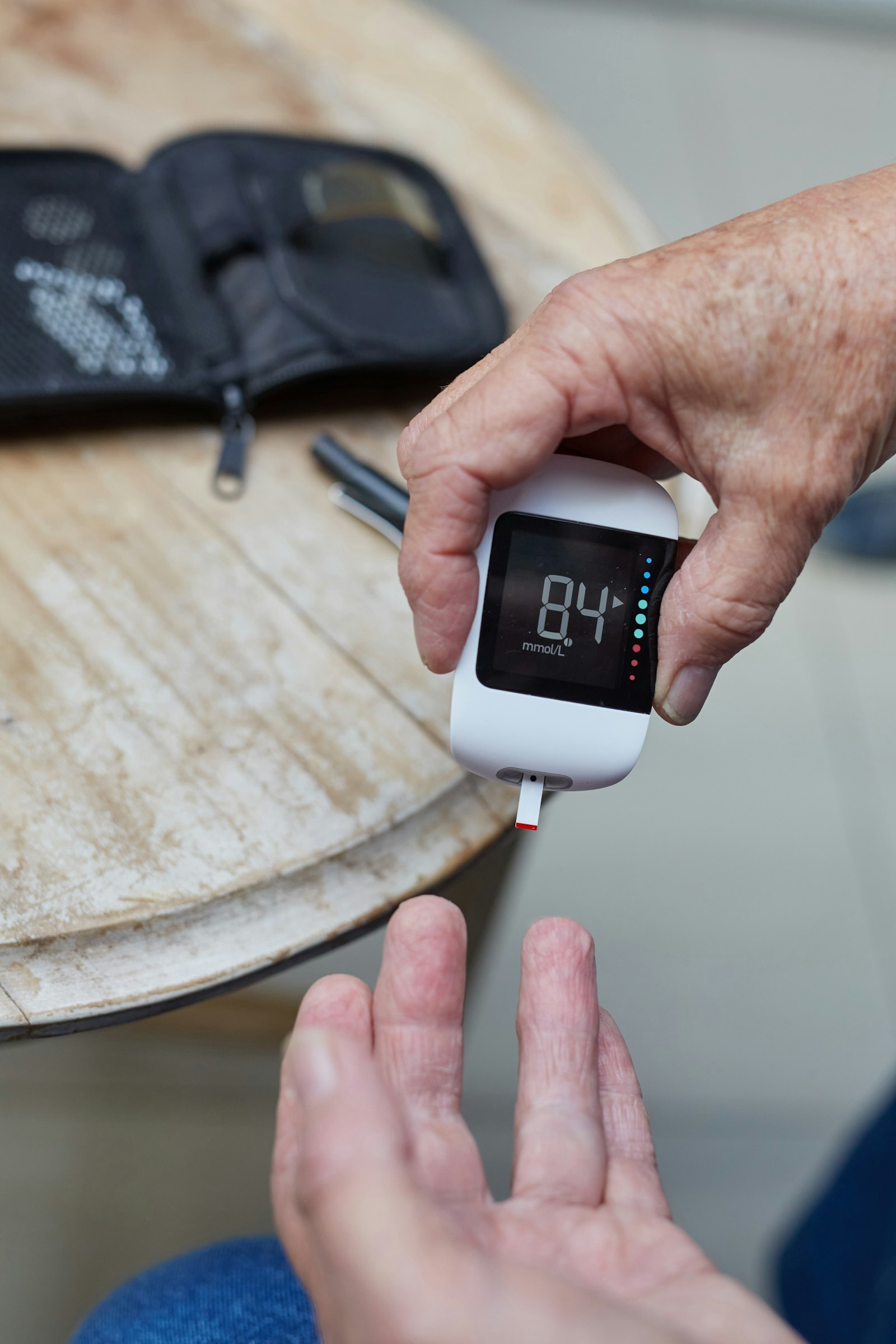
Blood glucose meter
Glucose readings flow straight to your care team, revealing patterns that help your provider fine-tune diabetes management.
Pulse oximeter
Oxygen saturation and pulse tracking for COPD and other respiratory conditions, where gradual decline is easy to miss.
Connected pillbox
Records when doses are taken and when they are missed. Missed medications are one of the most common reasons chronic conditions slip, so your care team can follow up before it becomes a pattern.
More as needed
Your care plan determines the right devices for your conditions; we supply exactly what your monitoring requires, nothing more.
Readings become action
- Daily review. Licensed clinicians review incoming readings and watch your trends against the thresholds in your care plan.
- Prompt outreach. Out-of-range readings trigger a call or message from your care team the same day, not at your next appointment.
- Provider escalation. When something needs medical attention, we brief your provider with the full data picture so decisions happen fast.
- Monthly summaries. Your provider receives clear trend reports, turning months of daily readings into usable clinical insight.
Remote patient monitoring FAQ
Do I need Wi-Fi or a smartphone?
No. Our devices transmit readings automatically over cellular networks, the same way a cell phone sends a text message. There is nothing to pair, sync, or configure. If you can press a button, you can use them.
What happens when a reading is out of range?
Our monitoring team reviews incoming readings every day. When a reading falls outside the range your care plan defines, a clinician reaches out, by phone or text, to check on you, and escalates to your provider when clinically appropriate.
Is remote patient monitoring covered by insurance?
RPM is a covered benefit under Medicare Part B and many Medicare Advantage and commercial plans. Depending on your coverage, a coinsurance may apply. We verify your benefits and explain any expected cost before you enroll.
How often do I need to take readings?
Your care plan sets the cadence, typically one quick reading a day, at whatever time works for you. Most readings take under a minute. We send friendly reminders if you fall out of routine, and our team is happy to help you build the habit.
Who sees my health data?
Only your care team and the providers involved in your care. Your readings are protected health information under HIPAA, transmitted securely and never sold or shared for marketing.
Is there a charge for the devices?
No. The devices are provided by the practice and remain the practice's property. There is no charge for normal use or normal wear, or for a device that fails on its own. We ask that you use the device as instructed, let us know if it stops working, and return it if you leave the program.
Is someone watching my readings around the clock?
No, and this is important to understand. Your readings are reviewed by clinicians each day, but they are not monitored continuously, and the device is not a substitute for emergency care. If you believe you are having a medical emergency, call 911 or go to the nearest emergency room; do not take a reading and wait for us to call.
Ready to get started?
Talk with our team about enrollment, coverage, and whether chronic care management or remote patient monitoring is right for you or someone you care for.